Qualification Questionnaires for Ro water purification systems: Thirty Questions That Do an Audit's Work From a Desk
A structured questionnaire, returned within ten days, predicts RO water purification systems supplier performance nearly as well as a factory visit â and costs one email. The trick is asking questions that are hard to fake: ones whose answers cross-check each other. This guide supplies the thirty questions and the cross-checks.
Desk diligence has a bad reputation because most questionnaires are written backward: they ask what the supplier wants to answer instead of what cross-checks against their own answers. Thirty well-chosen questions, read as a set, leave little room to fake.
As a manufacturer based in China, é西è¾æ©ä¼¦ç¹é
¿é ææ¯æéå
¬å¸ (www.aelt-brewing.com) supplies RO water purification systems, Drinking water production lines, industrial water purification equipment and related products to customers in more than forty markets. In this guide we explain what actually determines quality in this category, how to assess a factory before you commit, and how to build a supply relationship that holds up over years of repeat ordering.
What Buyers Should Know Before Choosing a Ro Water Purification Systems Manufacturer
Before you send a request for quotation, be precise about what you are buying. These are the questions that separate a professional sourcing decision from a hopeful one.
What is the production capacity and current lead time? A factory that cannot state monthly capacity in units cannot forecast reliably.
Which quality standards apply, and can they evidence compliance? Ask for WHO drinking water guidelines, NSF/ANSI 61 documentation rather than a verbal claim.
Is material traceability documented? Certificates of material origin prevent costly surprises.
What is the defect rate and how are returns handled? Ask for historical data, not a policy statement.
Can they customize to your market's specification? Voltage, sizing, labelling and packaging often differ by country.
What after-sales support is included? Spare parts availability and technical support determine lifetime cost.
What is the total landed cost? Freight, duty and durability matter more than FOB price.
What Defines Quality in Water Treatment And Beverage Processing Equipment?
Quality in water treatment and beverage processing equipment is the sum of four things: material selection, manufacturing precision, assembly consistency, and testing discipline. A product can look identical to a competitor and behave completely differently after six months in service if any one of these is weaker.
Material grade: the raw material must match the specification, with certificates to prove it.
Manufacturing precision: tolerances must hold across the production run, not just the sample.
Assembly consistency: repeatable processes prevent batch-to-batch variation.
Testing discipline: functional and safety testing must be routine, not exceptional.
For buyers, the practical implication is that you should evaluate capability rather than appearance. A well-equipped factory with documented processes will out-perform a low-cost workshop every time, even if the sample products look the same.
Evaluating a Ro Water Purification Systems Factory: A Structured Audit
We recommend auditing five dimensions before the first paid order.
1. Production Capability
Ask for facility size, equipment list, monthly output, and the number of production lines. A factory that can describe its bottleneck process understands its own capacity. Request photos or a live video walkthrough of the production floor.
2. Quality Management System
Confirm certification such as CE, ISO 9001 and ask to see the internal inspection records. A genuine quality system produces documents: incoming material checks, in-process checks, and final inspection reports.
3. Material and Supply Chain
Understand where raw materials come from and how they are verified. Vertically integrated suppliers control more of the quality chain and are less exposed to sub-supplier problems.
4. Testing and Certification
Ask which tests are performed in-house and which are outsourced to third parties. For export markets, third-party test reports from recognised laboratories carry more weight than internal claims.
5. Service and Support
Evaluate responsiveness during the quotation stage â it is a good predictor of post-sale behaviour. Ask about spare parts availability, technical documentation, and warranty terms in writing.
Private Label and Customization Options
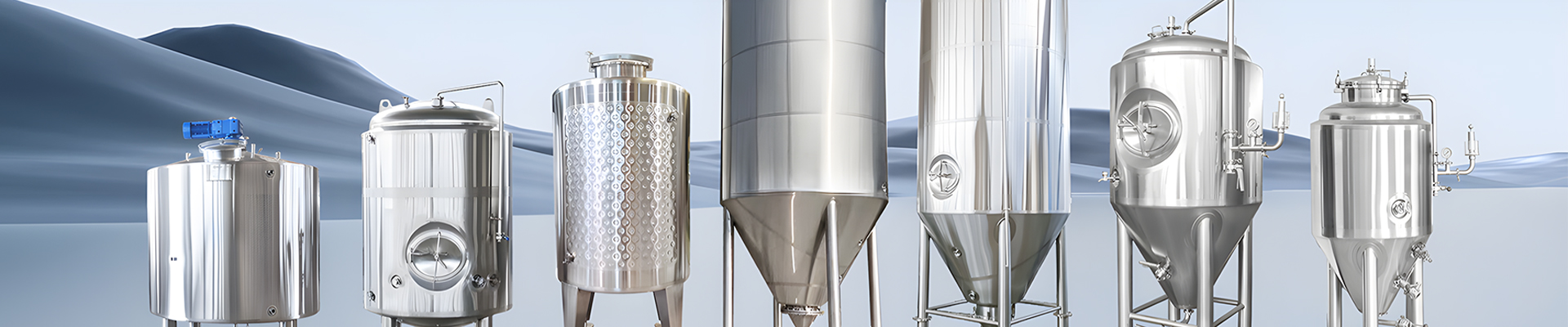
Most buyers eventually want their own branding, and the best time to discuss it is before the first order. Typical customization includes product sizing, colour, labelling, packaging, and documentation.
Product customization: dimensions, capacity, voltage and configuration tailored to your market.
Branding: logo marking, silk-screen printing, embossing or laser marking.
Packaging: neutral, retail-ready or private-label cartons with your barcode and compliance text.
Documentation: user manuals and compliance statements in your market's language.
Discuss minimum order quantities for customized runs early, because decoration and tooling often set a higher MOQ than the base product.
Pricing, MOQ and Cost of Ownership
Unit price is only one part of the equation. The lowest quote frequently carries the highest total cost once durability, freight and returns are included.
| Cost Factor | What to Compare | Hidden Risk |
|---|
| Unit price | FOB per unit | Ignoring specification differences |
| Durability | Service life | Premature failure and warranty claims |
| Freight | Volumetric weight | Light but bulky shipments cost more |
| Duty and compliance | HS code and certification | Clearance delays |
| Returns | Defect rate | Reputational damage |
| Support | Spare parts and service | Downtime for your customer |
Build a landed-cost model and negotiate on the total. Suppliers respect buyers who understand their cost drivers because it signals a long-term relationship.
Building a Long-Term Supply Relationship
The best pricing and priority allocation go to buyers who order predictably. Share a rolling forecast, place consistent orders, and give clear feedback on quality. Factories reward reliable partners with better lead times and preferential treatment when capacity is tight.
It also helps to visit the factory when practical. A single visit reveals more about capability than months of email.
Comparing Water Treatment And Beverage Processing Equipment Supplier Types
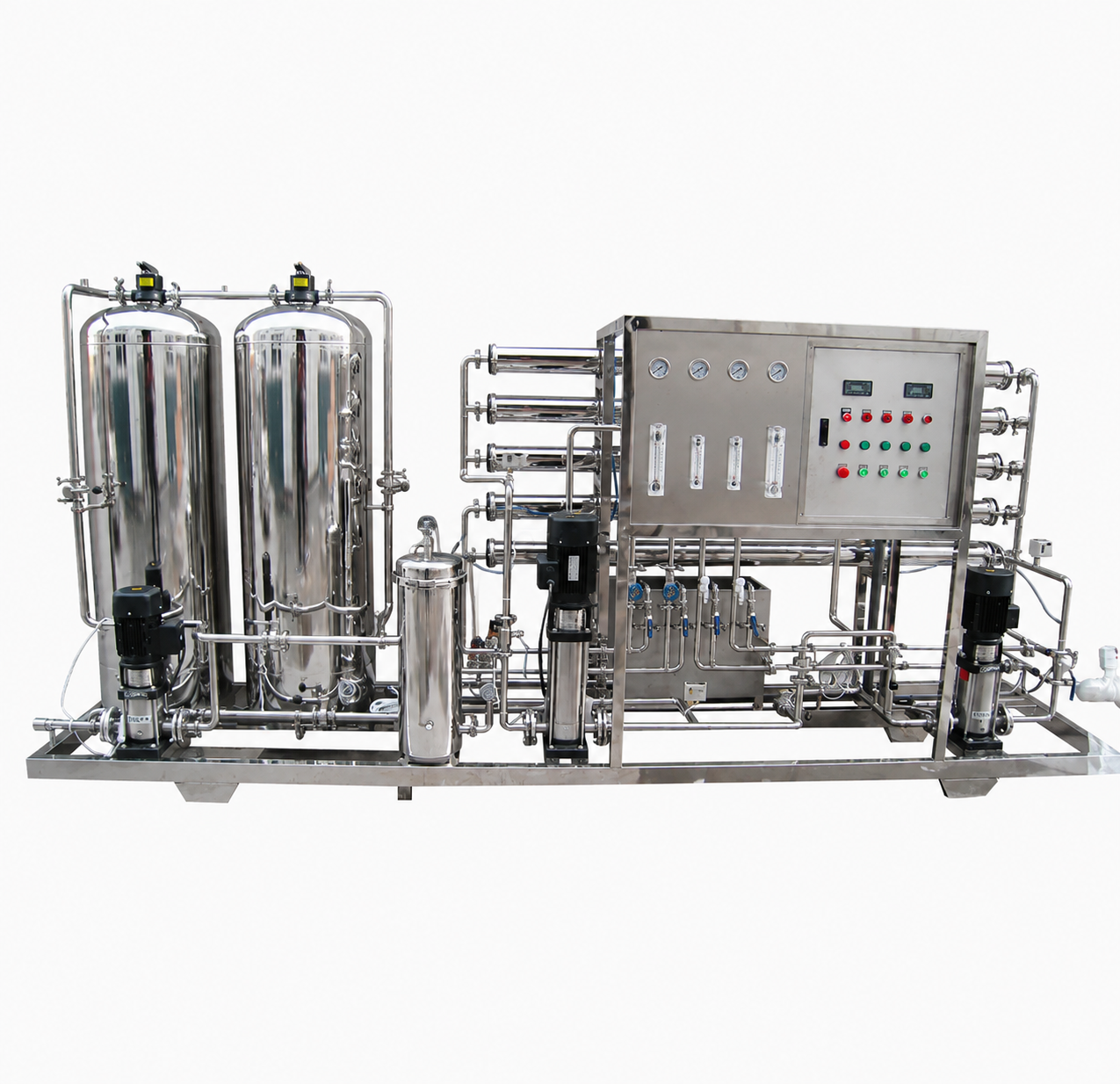
Not every supplier is the same kind of business. Understanding the model helps you choose the one that fits your needs.
| Supplier Type | Control Over Quality | Price Level | Best For | Main Risk |
|---|
| Direct factory | Highest | Competitive | Volume buyers | Higher MOQ |
| Trading company | Medium | Higher | Small or mixed orders | Less quality control |
| OEM/ODM partner | High | Competitive | Brand owners | Development time |
| Distributor | Low | Highest | Urgent small orders | Limited customization |
For most buyers building a brand or a stable catalogue, a direct factory with genuine customization capability offers the best balance of quality control, price and flexibility.
Standards and Certifications That Apply
Depending on your destination market, several standards and certifications may apply to water treatment and beverage processing equipment. Confirming them early prevents costly compliance surprises.
WHO drinking water guidelines: confirm the factory can supply documentation for this standard where it applies to your market.
NSF/ANSI 61: confirm the factory can supply documentation for this standard where it applies to your market.
ISO 9001: confirm the factory can supply documentation for this standard where it applies to your market.
CE: confirm the factory can supply documentation for this standard where it applies to your market.
CE: request the certificate and verify its validity and scope.
ISO 9001: request the certificate and verify its validity and scope.
NSF/ANSI 61: request the certificate and verify its validity and scope.
A Practical Sourcing Process, Step by Step
A structured process reduces risk far more than a clever negotiation.
Define your technical specification and target market requirements.
Shortlist three suppliers and request capability data and references.
Order paid samples and test them against your specification.
Audit the chosen factory against the five dimensions above.
Agree pricing, MOQ, packaging and lead times in writing.
Place a trial order and inspect the shipment on arrival.
Review performance with real customers before scaling.
Lock in capacity and lead times for the coming season.
Which Trial-Order Design Reveals the Most About a New Ro Water Purification Systems Supplier?
A trial order should deliberately stress the promises the supplier made during qualification. The matrix below maps each promise to the order feature that tests it:
| Promise Made in Sales | Trial-Order Test | What a Pass Looks Like |
|---|
| 'We handle custom orders easily' | One modest customisation in the trial | Change confirmed in writing, priced before production, delivered as quoted |
| 'Communication is daily' | Four-week production window | Progress reports arrive unrequested, weekly at minimum |
| 'Samples equal production' | Golden sample sealed before mass run | First-article comparison documented at inspection |
| 'Documentation is complete' | Full export pack at shipment | Pack correct on first submission, no rework |
| 'Dates are firm' | Backed into your launch calendar | Loading date met within one week of schedule |
Two design rules make the trial honest: size it large enough that the order matters to the supplier (orders below their attention threshold test nothing but their filing system), and hold back part of the payment until post-delivery verification â a trial with all money released at shipment tests only their packing line. File the trial results against the supplier record; the second trial order, six months later, is where consistency becomes visible.
Frequently Asked Questions
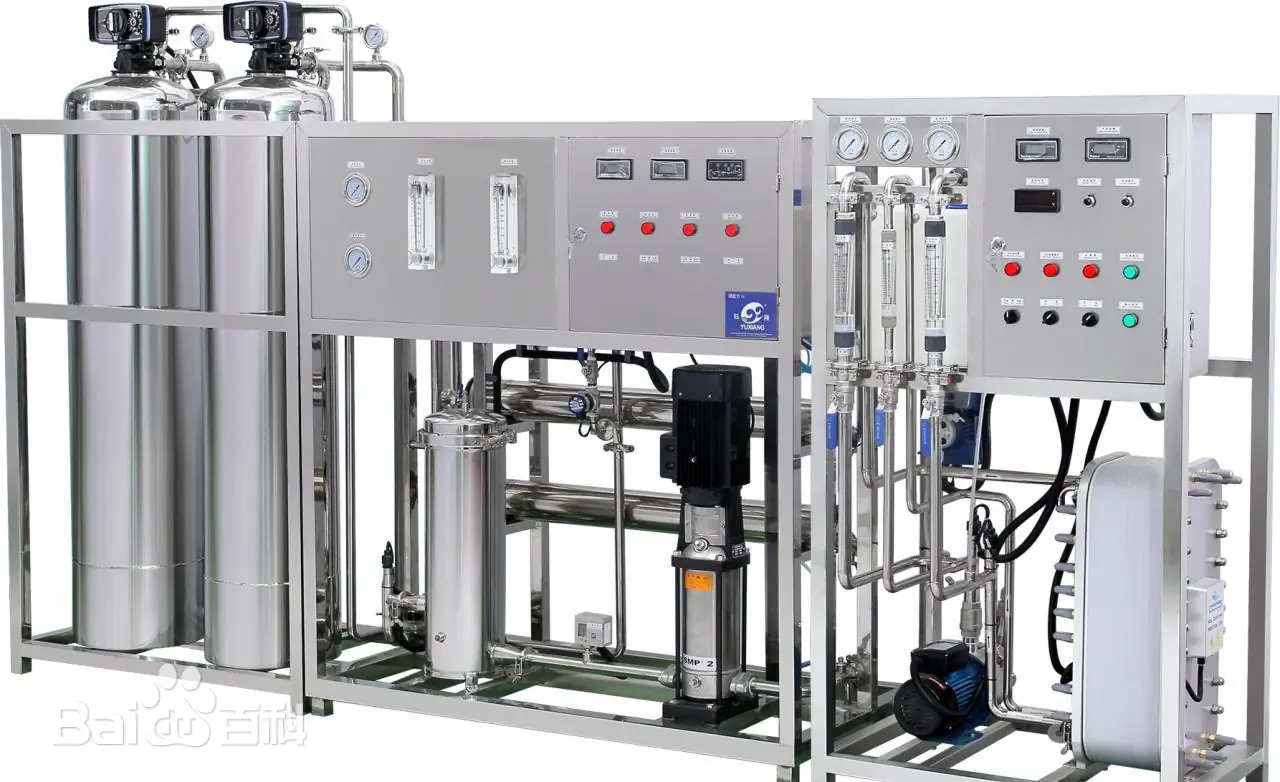
What is the minimum order quantity for Ro Water Purification Systems?
MOQ depends on the product and level of customization. Standard configurations typically start lower than private-label runs, which may require tooling or dedicated production. Ask the factory for a clear MOQ schedule by SKU.
How long does production take for a first order?
A first order typically takes three to six weeks including sampling and approval, while repeat orders are usually shorter. Peak season can extend lead times, so plan ahead.
How do I verify quality before a large order?
Order paid samples from at least two production batches, test them against your specification, and require a pre-shipment inspection before release. Documented inspection is more reliable than any sample alone.
Can I customize the product for my market?
Yes. Most manufacturers of water treatment and beverage processing equipment offer customization of size, colour, branding and packaging. Discuss the MOQ implications before committing.
What certifications should I expect?
At minimum, expect CE, ISO 9001, NSF/ANSI 61. The exact requirement depends on your destination market and the application.
How should I compare suppliers on price?
Compare landed cost per unit of service life, not FOB price alone. Include freight, duty, defect rate and spare parts in the calculation.
Do you offer after-sales support and spare parts?
A reliable manufacturer maintains a spare parts inventory and provides technical documentation and support. Confirm the terms in writing before ordering.
How do I start a long-term partnership?
Begin with a trial order, measure performance honestly, and share feedback. Consistent ordering earns better pricing and priority.
The RFQ Information Pack: What to Send Suppliers for Quotes That Hold
Quotations vary wildly not because suppliers are careless but because RFQs are vague: each supplier fills the gaps with their own assumptions, and the assumptions differ. The cure is an information pack sent identically to every supplier in the running, and the pack is short:
A specification sheet with tolerances, not adjectives: 'high quality finish' invites three interpretations; 'Ra 1.6 on visible surfaces' invites one.
The target annual volume and the first-order size, stated honestly: both numbers shape the pricing structure, and fake numbers price the wrong production plan.
Packaging and labelling requirements: artwork expectations, carton marks, destination-market language â the details that reprice after the fact when omitted.
Destination port and incoterm: logistics legs left open are priced differently by everyone, which is how quotation comparisons go false.
The compliance requirements for the destination market: the standards, marks and documentation the goods must carry, named explicitly.
A quotation template: unit price at three volume breaks, tooling as a separate line, lead time from deposit, payment terms, validity period â so the answers come back comparable.
The pack converts quotation review from archaeology to comparison: every supplier answered the same question, and deviations are visible as deviations. Suppliers respond to it well, too â a complete RFQ signals a buyer who will place and manage orders competently, and the pricing that follows tends to reflect that signal.
The Thirty-Question Questionnaire: Structure and Cross-Checks
A desk questionnaire works when its questions cross-check: answers that must agree with each other, so a fabricated one shows up as a contradiction. The structure that works for ro water purification systems suppliers:
| Block | Sample Questions | Cross-Check |
|---|
| Identity and history | Trading or factory? Year founded, export share, main markets? | Answer verifiable via licence and export records |
| Production reality | Lines running, shifts per day, monthly capacity? | Capacity math must match line and shift answers |
| Quality system | Certifications, key gauges, who runs the lab? | Certificate numbers checkable; audit findings available |
| References | Two customers in your market, with permission to contact | Contact confirms the export-share and market answers |
| Financial hygiene | Payment terms accepted, deposit expectations | Terms far outside norm signal cash stress |
The questionnaire's second life is as a baseline: the answers become the supplier record, and every later audit, scorecard and dispute is measured against what was claimed before the relationship had anything to hide. Suppliers remember what they wrote; the file does too.
Reading the Answers: What Qualifications Sound Like When Fabricated

Fabricated qualifications have a texture: everything is excellent, nothing is quantified, questions are answered adjacent to what was asked. Real answers have edges â capacity numbers with caveats ('before peak season'), certifications with scope limits ('the certificate covers the valve line, not the actuators'), references that include a customer the relationship cooled with. Buyers who reward flawlessness in questionnaires select for fabrication, because real factories describe real limits. Score the questionnaire for internal consistency and edge-having, not for polish, and the ranking it produces will survive the audit that follows.
Currency and Payment Terms: Managing the FX Question Without a Treasury
Import programmes carry an FX position whether or not anyone manages it: you commit in one currency, sell in another, and the gap between quotation and delivery is where the exposure lives. Programme-scale management is simpler than hedging departments suggest:
| Practice | What It Does | Cost |
|---|
| Quotation validity periods, written | Caps how long a supplier's price (and your margin) floats | None â a sentence in the RFQ |
| Matching payment dates to shipment evidence | Keeps cash outlay aligned with risk transfer | Discipline only |
| Pricing your own offers with an FX buffer band | Absorbs ordinary currency movement without re-quoting | A small margin haircut on paper |
| Annual price reviews instead of per-order haggling | Removes transaction-by-transaction FX blame games | One negotiation per year |
| Same-currency spares and service agreements | Keeps the after-sales tail in the currency you budgeted | Negotiable at contract time |
The unmanaged version of FX is not no management; it is management by surprise â a currency turn between order and delivery silently erasing the margin the whole programme was justified on. Ten minutes of structure per order quarter closes most of the gap.
Sampling Versus Order Pricing: Why the Unit Price Moves and How to Hold It
Few pricing topics generate more friction than the gap between the sample's price and the order's price â and most of the friction dissolves once the reasons are named. Sample pricing buys setup, single-piece handling and a factory's attention; order pricing buys repetition, but adds tooling amortisation, export packaging and compliance costs the sample never carried. The buyers who avoid the friction do three things: they ask the sample quotation to state which costs it excludes; they request the volume-break table before the sample is made, so the order price is predictable from the sample price; and they treat the first order's unit price as a renegotiable fact after volume is proven, when both sides can see the real cost structure. Suppliers respect buyers who price the transition honestly â and discount them faster on repeat volume, because the relationship has stopped producing pricing arguments.
Rollout Planning for Water Treatment And Beverage Processing Equipment Purchases: From First Container to Full Adoption
The first container is an event; the rollout is a project, and projects without plans inherit their schedule from complaints. The staged version works:
| Stage | Scope | Gate to Next Stage |
|---|
| Pilot stock | One site or one team, full documentation delivered | Two weeks of clean usage data |
| Training pass | Everyone who touches the product, competence checklist signed | Checklist signed by every role |
| Expansion order | Volume sized from pilot consumption, not enthusiasm | Supplier lead time confirmed for the larger quantity |
| Spares establishment | Consumables and likely failures stocked in your own system | Spares list built from the pilot's actual usage |
| Review and standardise | Specification updated with rollout findings | Revision dated and filed |
The staged plan costs weeks and saves quarters: rollout failures are almost always training or spares failures wearing product costumes, and both are staged problems with staged solutions. The review stage matters more than it looks â the findings written back into the specification are what make the second rollout cheaper than the first, and a programme whose second rollout is not cheaper has skipped something.
Questions Buyers Ask About Water Treatment And Beverage Processing Equipment Buying Operations â Answered

How many suppliers should I keep qualified at once?
Enough that no single failure stops your operation: for most categories that means one primary carrying the volume and one qualified alternative kept warm with occasional small orders. More than two active suppliers fragments volume below the level that earns priority; fewer than one-and-a-warm is concentration risk. The exact number follows your switching cost â the harder a supplier is to replace, the more the warm alternative is worth.
What is a reasonable deposit, and what should it buy?
Thirty percent is the common norm and a reasonable default; what matters more is what it buys: materials committed, production slot reserved, and evidence provided â a deposit released against a materials receipt photo and a production start date is a purchase of schedule, not a gift of cash. Deposits far above norm or released 'to start' with no evidence are financing requests, and should be priced as such.
How do I handle a supplier who keeps missing dates by small amounts?
Chronic small misses are a planning system failure, not bad luck, and the response is structural: ask for the production plan that keeps producing the misses, compare it against the promises, and let the arithmetic name the real capacity. Then either re-date your own plans to the demonstrated capability or move the volume to a supplier whose calendar matches their word. Small misses repeated are large information.
Should import duties change which supplier I choose?
Yes, at the landed-cost line: duty is a function of classification and origin, and two suppliers in different origins can carry very different duty exposure for identical goods. Build the tariff into the comparison model rather than treating it as an afterthought â origin decisions locked in at qualification are expensive to revisit later, and the duty line often moves the ranking that unit price alone produced.
What is the most useful single metric for supplier performance?
On-time-in-full to specification â OTIF-S. It folds delivery, quantity and quality into one number that suppliers can act on and you can trend, and it resists the gaming that single-dimension metrics invite. Measure it per shipment, review it quarterly, and most of the scorecard conversation writes itself.
The Second-Year Agenda: What Changes After the First Year of Supply
First-year programmes run on qualification energy; second-year programmes run on systems, and the agenda changes accordingly. The first-year files â questionnaires, audits, trial results â become the baseline against which drift is measured; the scorecard graduates from recording to driving volume decisions; the price review moves from ad-hoc to calendar; and the second source, sampled twice in year one, either earns programme share or is formally retired. Suppliers feel the difference: year one they are being tested, year two they are being used, and the suppliers who prefer being used are the ones worth keeping. Buyers who run the same agenda two years running discover the quiet failure mode â relationships managed by habit rather than by evidence â and the second-year agenda is the antidote.
Next Steps
If you are sourcing water treatment and beverage processing equipment for distribution, OEM production or a project, é西è¾æ©ä¼¦ç¹é
¿é ææ¯æéå
¬å¸ (www.aelt-brewing.com) would be glad to share our experience and provide samples. Visit www.aelt-brewing.com to explore the catalogue, request a quotation, and discuss customization for your market.
 +86 29-87031531



 Điện thoại
Bình luận
(0)