Key Differences Between Fermentation vessel Types Explained
Fermentation vessels are the foundation of controlled production in brewing, winemaking, food processing, biotechnology,
pharmaceuticals, and industrial fermentation. Choosing the right vessel type directly affects product quality, process
efficiency, scalability, sanitation, temperature control, oxygen transfer, and overall yield. For businesses and professionals
comparing fermentation vessel types, understanding the key differences between vessel materials, shapes, pressure ratings,
mixing systems, and application-specific functions is essential.
This guide explains the main fermentation vessel types in clear, SEO-friendly English. It covers definitions, common designs,
advantages, disadvantages, technical specifications, and typical applications. The content is written for direct use in blogs,
category pages, industry pages, and educational resources. It focuses only on general industry information and does not include
specific company recommendations.
What Is a Fermentation Vessel?
A fermentation vessel is a container designed to hold a biological or biochemical fermentation process under controlled
conditions. In a fermentation vessel, microorganisms such as yeast, bacteria, or fungi convert sugars and other nutrients into
alcohol, organic acids, gases, enzymes, biomass, or other valuable compounds. The vessel may be used for alcoholic fermentation,
aerobic fermentation, anaerobic fermentation, industrial bioprocessing, or food-grade fermentation.
The design of the fermentation vessel matters because it influences temperature stability, contamination control, oxygen
management, pressure handling, cleaning efficiency, and product consistency. Different fermentation vessel types are built for
different production goals, from small-scale lab testing to large-scale commercial manufacturing.
Why Fermentation Vessel Type Matters
The choice of fermentation vessel affects nearly every part of the production process. For example, a vessel with excellent
temperature control can improve yeast performance in brewing. A closed Stainless steel tank can reduce contamination risk in
food and beverage production. A jacketed bioreactor can improve process stability in industrial biotechnology. A simple open tank
may be suitable for traditional fermentation methods but may not offer the same protection or automation level.
In modern production environments, vessel selection is often based on:
- Product type and target quality
- Required sanitation standards
- Need for oxygen or anaerobic conditions
- Pressure and temperature requirements
- Batch size and production volume
- Cleaning and maintenance needs
- Automation and monitoring requirements
Main Types of Fermentation Vessels
Fermentation vessels can be grouped by structure, material, pressure capability, and function. The most common types include
open fermentation vessels, closed fermentation tanks, Conical fermenters, jacketed fermenters, bioreactors, pilot-scale vessels,
and large industrial fermentation tanks. Each type has distinct advantages and limitations.
1. Open Fermentation Vessels
Open fermentation vessels are exposed to the surrounding environment at the top. They are often used in traditional or
specialty fermentation processes where direct access, manual observation, or specific microbial interaction is desired. Open
systems can be simple in design and easy to inspect, but they provide less protection against contamination and environmental
variation.
Key Features
- Open-top design
- Simple construction
- Easy visual monitoring
- Lower equipment complexity
- Suitable for some traditional fermentation methods
Advantages
- Low initial equipment cost
- Easy access for sampling and cleaning
- Useful for processes requiring surface exposure
- Simple and intuitive operation
Limitations
- Higher contamination risk
- Less temperature and atmospheric control
- Greater evaporation losses
- Not ideal for sterile industrial operations
2. Closed Fermentation Tanks
Closed fermentation tanks are sealed vessels designed to isolate the fermentation process from the external environment. These
tanks are widely used in commercial brewing, winemaking, food fermentation, and biotechnology because they provide better
contamination protection and greater process consistency.
Key Features
- Sealed construction
- Reduced contamination exposure
- Better control of internal conditions
- Can support pressure or non-pressure operation
- Suitable for hygienic or sterile production
Advantages
- Improved sanitation control
- Reduced oxidation risk
- More stable fermentation environment
- Better suited for modern automated systems
Limitations
- Higher cost than simple open vessels
- May require more technical cleaning systems
- Less direct access during operation
3. Conical Fermenters
Conical fermenters are shaped with a cone at the bottom to collect sediment, yeast, and other solids more efficiently. This
design is especially popular in brewing and beverage fermentation because it simplifies trub removal, yeast Harvesting, and
clarification. The conical shape is one of the most recognized and practical vessel designs in fermentation technology.
Key Features
- Conical bottom for sediment collection
- Efficient yeast and solids removal
- Available in stainless steel and other materials
- Often equipped with valves and sample ports
- Can be jacketed or non-jacketed
Advantages
- Easy separation of sediment from liquid product
- Supports repeated yeast reuse in some processes
- Improves clarity and process efficiency
- Common in professional beverage production
Limitations
- More complex structure than basic tanks
- Higher manufacturing and maintenance cost
- May not be necessary for very simple fermentation operations
4. Jacketed Fermentation Vessels
Jacketed fermentation vessels include an outer layer or cooling/heating jacket that helps regulate internal temperature. Temperature
control is one of the most important factors in fermentation quality, especially for processes involving sensitive microbial
activity. Jacketed vessels are widely used in food, beverage, chemical, and biotechnological production.
Key Features
- Integrated heating or cooling jacket
- Improved thermal stability
- Suitable for temperature-sensitive fermentation
- Can be combined with agitation and sensors
- Common in professional and industrial systems
Advantages
- Precise temperature management
- Better product consistency
- Reduced risk of overheating or cooling failure
- Supports controlled fermentation curves
Limitations
- Higher installation and operating costs
- Requires utility connections for coolant or heating media
- More complex maintenance and design
5. Stirred Tank Bioreactors
Stirred tank bioreactors are highly controlled fermentation vessels equipped with mechanical agitation. They are commonly used in
biotechnology, pharmaceuticals, enzyme production, and industrial microbiology. Their main purpose is to improve mixing,
oxygen transfer, nutrient distribution, and process uniformity.
Key Features
- Mechanical agitator or impeller system
- Often used with aeration systems
- Designed for strict process control
- Supports pH, dissolved oxygen, and temperature monitoring
- Suitable for aerobic and controlled microbial growth
Advantages
- Excellent mixing performance
- High oxygen transfer capability
- Suitable for advanced process optimization
- Widely used in research and industrial bioprocessing
Limitations
- Higher energy use due to agitation
- More mechanical components to maintain
- Potential shear stress for sensitive organisms
6. Airlift Fermentation Vessels
Airlift fermentation vessels use gas flow rather than mechanical impellers to circulate the culture. The vessel design creates
movement through differential density zones, improving mixing and oxygen transfer without the high shear associated with some
mechanical systems. This makes airlift designs useful for sensitive biological cultures and energy-efficient operations.
Key Features
- Gas-driven circulation
- No or limited mechanical stirring
- Lower shear stress
- Energy-efficient operation
- Useful for delicate cell cultures
Advantages
- Reduced mechanical complexity
- Lower risk of cell damage
- Good oxygen transfer in many applications
- Lower operating energy compared to stirred systems
Limitations
- Less effective for highly viscous media
- Process control may be more limited than in advanced stirred tanks
- Not ideal for all mixing requirements
7. Solid-State Fermentation Vessels
Solid-state fermentation vessels are designed for processes with little or no free liquid. These vessels are used for products
involving moist solid substrates, such as certain enzymes, traditional foods, and specialty bioproducts. The design often focuses
on humidity control, aeration, and heat removal rather than liquid agitation.
Key Features
- Low-moisture substrate handling
- Special aeration and humidity management
- May use trays, packed beds, or containers
- Suitable for fungal or enzyme-based processes
- Can support traditional and industrial applications
Advantages
- Efficient for certain natural and food-grade processes
- Lower water use than liquid fermentation
- Can produce concentrated outputs
Limitations
- Harder to control temperature evenly
- Less suitable for large-scale liquid handling
- Process monitoring may be more difficult
Fermentation Vessel Types Comparison Table
Fermentation Vessel Type |
Best For |
Main Advantages |
Main Limitations |
Common Industries |
|---|
Open Fermentation Vessel |
Traditional or low-control processes |
Low cost, easy access, simple design |
Contamination risk, weak environmental control |
Craft food, traditional fermentation |
Closed Fermentation Tank |
Hygienic commercial fermentation |
Better sanitation, less oxidation, stable conditions |
More expensive than open tanks |
Brewing, winemaking, food processing |
Conical Fermenter |
Sediment separation and yeast reuse |
Easy trub removal, efficient clarification |
More complex design and cost |
Brewing, beverage production |
Jacketed Fermentation Vessel |
Temperature-sensitive fermentation |
Excellent thermal control, process stability |
Requires utilities and higher investment |
Food, beverage, biotech |
Stirred Tank Bioreactor |
Advanced controlled fermentation |
Strong mixing, high oxygen transfer, automation support |
Energy use, mechanical wear, shear stress |
Biotech, pharma, industrial microbiology |
Airlift Fermentation Vessel |
Delicate cultures and energy-efficient operation |
Low shear, fewer moving parts, efficient circulation |
Less suitable for viscous media |
Biotech, cell culture, specialty fermentation |
Solid-State Fermentation Vessel |
Low-moisture substrate fermentation |
Low water use, concentrated output |
Harder process control and heat management |
Food, enzymes, specialty bio-products |
Key Differences Between Fermentation Vessel Materials
Fermentation vessels are also distinguished by material. The most common materials include stainless steel, glass, plastic,
concrete, wood, and specialized polymers. Material selection affects hygiene, durability, chemical resistance, thermal behavior,
weight, cost, and lifespan.
Stainless Steel
Stainless steel is one of the most common materials for modern fermentation vessels because it offers excellent durability,
corrosion resistance, sanitation compatibility, and long service life. It is ideal for commercial fermentation where cleaning
and process consistency are critical.
Glass
Glass fermentation vessels are often used in laboratories, small batches, and experimental work. They are easy to inspect
visually and chemically inert, but they are fragile and limited in scale.
Plastic and Polymer Materials
Plastic fermentation vessels are lightweight, affordable, and suitable for some small- to medium-scale operations. However,
they may offer lower durability, lower heat resistance, and shorter lifespans than metal systems.
Wood
Wood vessels are used in traditional winemaking and specialty aging environments. They can influence flavor and oxygen exchange,
but they require careful maintenance and are not usually used for sterile modern fermentation.
Concrete
Concrete fermentation vessels are sometimes used in wine production and specialty fermentation. They can provide thermal
stability and unique process characteristics but require proper sealing and maintenance.
Material Comparison Table
Material |
Strengths |
Weaknesses |
Typical Use |
|---|
Stainless Steel |
Durable, hygienic, long-lasting, corrosion-resistant |
Higher cost |
Commercial fermentation, biotech, food and beverage |
Glass |
Inert, transparent, ideal for observation |
Fragile, limited scale |
Lab testing, small batches |
Plastic/Polymer |
Lightweight, low cost, easy handling |
Lower durability, lower heat resistance |
Home, pilot, entry-level systems |
Wood |
Traditional character, flavor interaction |
Maintenance-intensive, not sterile |
Specialty wine and aging |
Concrete |
Thermal mass, stable conditions |
Requires sealing, heavier |
Wine and niche fermentation |
Common Technical Specifications of Fermentation Vessels
When comparing fermentation vessel types, technical specifications are often more important than appearance. Buyers and process
engineers typically evaluate the vessel based on dimensions, volume, pressure rating, surface finish, insulation, agitation, and
cleaning design.
Specification |
Description |
Why It Matters |
|---|
Capacity |
Total volume the vessel can hold |
Determines batch size and production scale |
Working Volume |
Usable operating volume below full capacity |
Ensures safe headspace and process performance |
Material |
Construction material such as stainless steel or glass |
Affects sanitation, durability, and cost |
Pressure Rating |
Maximum allowable internal pressure |
Important for carbonation, gas handling, and safety |
Temperature Control |
Cooling jacket, heating system, or insulation |
Maintains optimal fermentation conditions |
Agitation System |
Mechanical or gas-based mixing |
Improves nutrient and oxygen distribution |
Ports and Valves |
Access points for sampling, transfer, and drainage |
Supports operation and hygiene |
Surface Finish |
Internal smoothness and polish level |
Reduces contamination and improves cleanability |
CIP/SIP Compatibility |
Clean-in-place and sterilize-in-place capability |
Essential for industrial and sterile systems |
Insulation |
Thermal barrier around the vessel |
Improves temperature efficiency and stability |
How to Choose the Right Fermentation Vessel Type
Selecting the right fermentation vessel type depends on process goals, product sensitivity, batch size, and operational
requirements. A vessel that works well for small-scale experimental fermentation may not be suitable for large commercial
production. Likewise, a vessel ideal for oxygen-rich microbial growth may be inappropriate for anaerobic beverage production.
- For sanitation-sensitive production: choose closed stainless steel vessels or bioreactors.
- For sediment-heavy beverage production: conical fermenters are often preferred.
- For sensitive cell cultures: airlift or low-shear systems may be more suitable.
- For precise temperature control: jacketed vessels provide strong process stability.
- For laboratory testing: glass vessels are practical and easy to monitor.
- For traditional methods: open or specialty vessels may be appropriate.
- For solid substrate fermentation: solid-state fermentation vessels are the best fit.
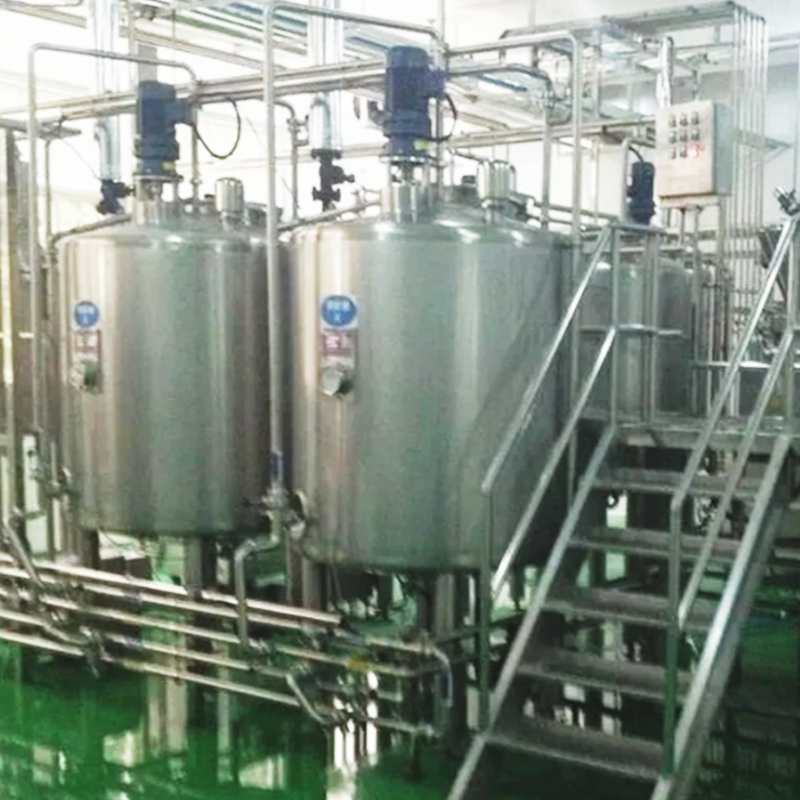
Stainless steel fermentation vessels deserve special attention because they are the standard choice in many modern facilities.
Their popularity comes from a combination of hygiene, strength, and operational flexibility. Stainless steel is non-porous,
resistant to many cleaning agents, and suitable for repeated use under demanding conditions.
- Excellent corrosion resistance
- Long service life
- Supports high sanitation standards
- Compatible with automation and sensor systems
- Suitable for pressure and temperature control features
- Ideal for high-volume production environments
For these reasons, stainless steel is widely used in brewing tanks, fermentation tanks, bioreactors, and food-grade production
systems.
Open vs Closed Fermentation Vessel: Core Difference
One of the most important distinctions in fermentation vessel selection is the difference between open and closed systems.
Open vessels allow direct contact with the ambient environment, which can be useful in certain traditional methods. Closed vessels
limit exposure, which improves sanitation, reduces contamination, and supports more controlled fermentation.
Factor |
Open Vessel |
Closed Vessel |
|---|
Contamination Risk |
Higher |
Lower |
Process Control |
Limited |
Better |
Access |
Easy |
More restricted |
Evaporation |
Higher |
Lower |
Modern Automation |
Less common |
Highly compatible |
Fermentation Vessel Size Categories
Fermentation vessels are also classified by size. Small-scale vessels are typically used for laboratory research, product
development, and craft production. Medium-scale vessels support pilot operations and growing commercial demand. Large-scale
vessels are used for industrial manufacturing and continuous or batch processing at high output levels.
Size Category |
Typical Purpose |
Common Characteristics |
|---|
Small-Scale |
Research, testing, craft production |
Easy handling, lower capacity, often glass or small stainless steel |
Pilot-Scale |
Process validation and scale-up |
Intermediate capacity, more control features |
Medium-Scale |
Commercial expansion |
Balanced capacity and automation |
Large-Scale |
Industrial production |
High capacity, integrated control systems, CIP/SIP support |
SEO Keywords Related to Fermentation Vessel Types
The following keyword themes are naturally relevant to fermentation vessel content and can support search visibility when used
strategically in headings, body text, image alt text, and internal links:
- Fermentation vessel types
- Best fermentation vessel
- Stainless steel fermentation tank
- Closed fermentation vessel
- Conical fermenter advantages
- Jacketed fermentation vessel
- Stirred tank bioreactor
- Airlift bioreactor design
- Open fermentation tank
- Industrial fermentation equipment
- Fermentation tank specifications
- Fermentation vessel comparison
- Bioreactor vessel design
- Commercial fermentation systems
Frequently Used Specifications in Industry Pages
Industry pages and product category pages often include standardized specification blocks to help buyers compare vessel options
quickly. These are the most common fields found in fermentation vessel listings and technical documents.
Specification Field |
Typical Content |
|---|
Vessel Type |
Open, closed, conical, jacketed, stirred, airlift, solid-state |
Material |
Stainless steel, glass, plastic, wood, concrete |
Capacity |
From small laboratory volumes to industrial-scale tanks |
Finish |
Polished, sanitary, food-grade, or specialized surface finish |
Control Features |
Temperature control, pressure control, agitation, sensors |
Compliance |
Food-grade, hygienic, sterile, or process-specific standards |
Conclusion
Understanding the key differences between fermentation vessel types helps businesses and operators make better decisions for
quality, safety, efficiency, and scalability. Open vessels offer simplicity, closed vessels improve hygiene, conical fermenters
support solid separation, jacketed vessels provide thermal control, stirred tank bioreactors deliver advanced mixing, airlift
systems reduce shear, and solid-state vessels support low-moisture fermentation.
In practice, the best fermentation vessel type depends on the product, process requirements, scale of production, and desired
level of control. By comparing vessel design, material, and technical specifications, users can choose the fermentation system
that best matches their operational needs.
 +86 29-87031531





 Điện thoại
Bình luận
(0)