A conical fermenter is one of the most important vessels in modern craft beer production systems. Designed with a cone-shaped bottom, this type of fermenter supports efficient yeast management, cleaner beer clarification, improved fermentation control, and more consistent batch quality. For breweries focused on craft beer, flavor precision, sanitation, and production efficiency, the conical fermenter has become a core piece of brewing equipment.
In a competitive beer market, brewers must balance quality, consistency, throughput, and operational efficiency. A conical fermenter helps achieve these goals by making it easier to collect sediment, separate yeast, remove trub, and manage fermentation in a controlled environment. Compared with traditional flat-bottom tanks or less specialized vessels, conical tanks are designed specifically to improve brewing workflow and reduce product loss.
This guide explains the definition, working principle, benefits, technical features, common sizes, material specifications, and operational advantages of a conical fermenter in craft beer production systems. The content is written for SEO use and can be inserted directly into a brewery equipment page, industry article, category page, or blog post.
What Is a Conical Fermenter?
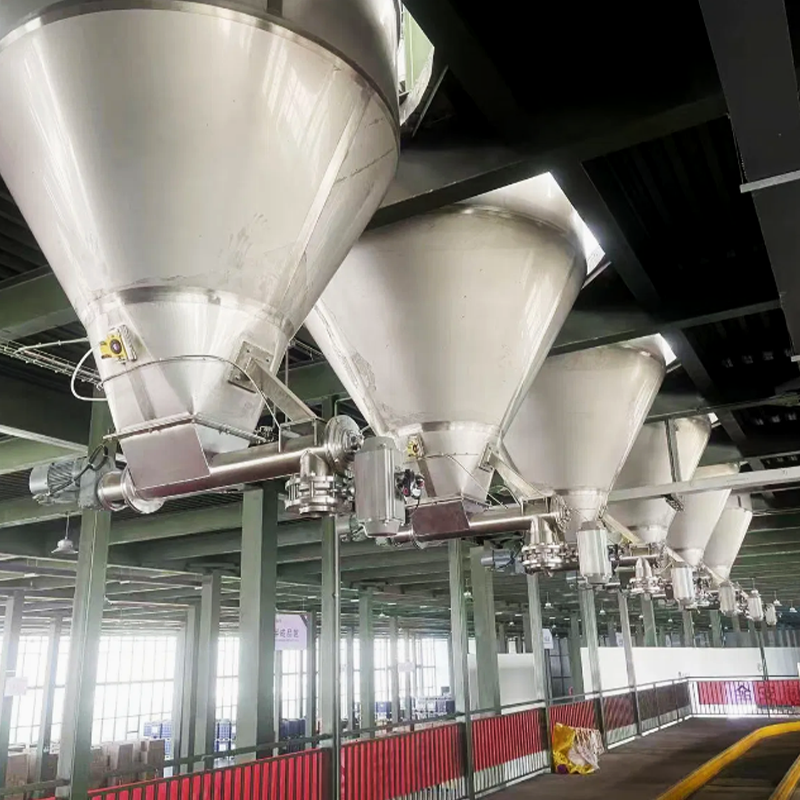
A conical fermenter is a Fermentation vessel with a cone-shaped bottom, usually installed beneath a cylindrical upper section. This geometry allows yeast, hops, and other sediment to settle naturally into the lower cone area during and after fermentation. Because the solids collect at the bottom point, brewers can easily remove unwanted material without disturbing the beer above.
In craft beer production systems, conical fermenters are used for primary fermentation, secondary conditioning in some setups, yeast Harvesting, and sediment removal. They are widely used in breweries of many sizes because they combine fermentation, clarification, and yeast recovery in one efficient vessel.
The design is especially valuable for craft breweries that need flexibility. A single conical fermenter can support different beer styles, batch sizes, fermentation schedules, and process variations. This makes the equipment suitable for small brewpubs, microbreweries, pilot breweries, and larger commercial craft beer operations.
Why Conical Fermenters Are Important in Craft Beer Production Systems
Craft beer production systems require more than simply storing wort until it becomes beer. Fermentation must be controlled carefully to protect flavor, aroma, clarity, carbonation potential, and shelf stability. The conical fermenter enhances this process by supporting several essential brewing functions in one vessel.
First, it improves sediment separation. During fermentation, proteins, hop matter, dead yeast, and other particulates settle to the bottom cone. This makes it easier to remove solids without wasting beer.
Second, it supports yeast management. Brewers can harvest healthy yeast from the bottom cone for reuse in future batches. This is a major advantage in craft beer production systems where maintaining yeast vitality can improve consistency and reduce costs.
Third, it helps with beer clarity. By allowing trub and yeast to settle in a dedicated cone section, the fermenter encourages cleaner beer transfer and reduces the need for excessive filtration.
Fourth, it enhances sanitation and process control. A well-designed conical fermenter is easier to clean, inspect, drain, and maintain than many older vessel designs, supporting hygienic brewing operations.
How a Conical Fermenter Works
The working principle of a conical fermenter is based on gravity, vessel geometry, and controlled discharge. After wort is transferred into the tank and yeast is pitched, fermentation begins. As the yeast converts sugars into alcohol and carbon dioxide, solids gradually separate from the liquid beer.
The conical bottom directs these solids downward into a narrow collection point. This natural sediment path allows brewers to periodically dump trub, remove excess yeast, or collect viable yeast slurry. The cylindrical upper section holds the main volume of beer, while the cone concentrates settling material in one removable zone.
Many conical fermenters also include additional features such as:
- Cooling jackets for temperature control
- Pressure-rated construction for sealed fermentation
- Sight glass or sampling ports
- Racking arms for beer transfer
- Top or side manways for access
- Sanitary valves and fittings
- Pressure relief valves for safe operation
These features make the conical fermenter a central part of modern craft beer production systems, especially where repeatability and process efficiency matter.
Main Advantages of a Conical Fermenter in Craft Beer Production Systems
Advantage |
How It Helps Craft Beer Production |
|---|
Efficient yeast collection |
Allows brewers to harvest and reuse healthy yeast for future batches. |
Better sediment removal |
Concentrates trub and solids at the cone bottom for easier dumping. |
Improved beer clarity |
Reduces suspended solids and supports cleaner beer transfer. |
Reduced beer loss |
Minimizes waste during yeast and sediment removal operations. |
More consistent fermentation |
Supports controlled temperature and pressure management. |
Enhanced sanitation |
Smooth stainless surfaces and sanitary fittings help maintain hygiene. |
Process flexibility |
Suitable for many beer styles, batch sizes, and fermentation profiles. |
Operational efficiency |
Combines fermentation, conditioning, and sediment management in one tank. |
Key Features of Conical Fermenters for Brewery Use
Conical fermenters used in craft beer production systems are typically built with features that improve durability, hygiene, and process performance. These features vary by batch size and brewery requirement, but the following elements are widely used in industry-grade equipment.
1. Conical Bottom Design
The most distinctive feature is the cone-shaped lower section. This design is responsible for sediment concentration, yeast harvesting, and easy discharge of unwanted material.
Most modern conical fermenters are made from stainless steel, often SUS304 or SUS316 depending on hygiene and corrosion requirements. Stainless steel is preferred because it resists corrosion, is easy to clean, and supports long-term brewery use.
3. Temperature Control Jackets
Cooling jackets are often installed on the cylindrical body and/or cone area to maintain ideal fermentation temperatures. Temperature stability is essential for flavor development, yeast health, and consistent beer quality.
4. Pressure Capability
Some conical fermenters are pressure-rated, allowing controlled sealed fermentation and carbonation. This can reduce oxygen exposure and improve process control in certain craft beer production systems.
5. Sanitary Valves and Fittings
Sanitary valves, tri-clamp fittings, and smooth internal surfaces reduce contamination risk and help maintain brewery hygiene standards.
6. Sampling Ports and Racking Arms
Sampling ports allow brewers to monitor fermentation progress without opening the vessel. Adjustable racking arms help transfer clarified beer from above the sediment layer.
7. Manways and Access Openings
Top or side manways provide access for cleaning, inspection, and maintenance. This is important for long-term reliability and sanitation.
How Conical Fermenters Enhance Beer Quality
Beer quality depends on how well fermentation is managed. A conical fermenter enhances beer quality by improving the way yeast behaves, how solids are separated, and how the brewer controls the environment inside the tank.
When fermentation begins, the yeast population is active and highly sensitive to temperature and oxygen exposure. By using a conical fermenter with precise cooling control, brewers can hold the beer within an ideal fermentation range, reducing off-flavors and stress on the yeast.
As the process continues, the cone allows heavy particles to settle away from the beer. This means fewer suspended solids remain in the finished product. Cleaner beer transfer can also reduce the need for harsh filtration methods that may strip flavor.
In addition, the ability to harvest yeast from the cone helps preserve healthy yeast strains. This can improve flavor consistency from one batch to the next, which is especially important in craft beer production systems where brand identity depends on repeatable taste.
Conical Fermenter vs Traditional Fermentation Tank
Compared with traditional fermentation tanks, the conical fermenter offers more advanced control over sediment management and yeast recovery. Below is a simple comparison.
Feature |
Conical Fermenter |
Traditional Tank |
|---|
Sediment removal |
Easy, gravity-assisted removal through cone bottom |
Less efficient, often requires more disturbance |
Yeast harvesting |
Simple and effective |
Limited or more difficult |
Beer clarity |
Improved clarification and cleaner transfer |
More solids may remain in suspension |
Cleaning efficiency |
Designed for sanitary draining and access |
May be less convenient depending on design |
Fermentation control |
Often includes cooling jackets and pressure options |
May have fewer control features |
Operational flexibility |
High, suitable for multiple craft beer processes |
Moderate, depending on configuration |
Common Applications of Conical Fermenters in Craft Beer Production Systems
Conical fermenters are used across a wide range of brewery applications. Their flexibility makes them suitable for many production stages and beer styles.
- Primary fermentation of ales and lagers
- Conditioning and maturation of craft beer
- Yeast propagation and reuse programs
- Batch clarification and sediment settling
- Specialty beer production requiring strict process control
- Pilot batches and recipe testing
- Small-scale commercial brewing and brewpub operations
- High-consistency production environments
Because of these applications, conical fermenters are widely considered a foundational component in efficient craft beer production systems.
Material and Construction Specifications
When evaluating a conical fermenter, breweries usually look at material quality, insulation, welding, polish level, and fittings. These specifications influence hygiene, durability, thermal performance, and ease of maintenance.
Specification Item |
Typical Industry Range or Option |
|---|
Material |
Stainless steel SUS304 or SUS316 |
Tank shape |
Cylindrical upper body with conical bottom |
Surface finish |
Sanitary polished interior, brushed or polished exterior |
Insulation |
PU foam, dimple jacket, or other thermal insulation systems |
Cooling method |
Jacketed glycol cooling or similar temperature control system |
Pressure rating |
Atmospheric or pressure-rated depending on design |
Manway type |
Top manway or side manway |
Bottom angle |
Common cone angles vary by application and tank size |
Fittings |
Tri-clamp sanitary fittings, valves, ports, and gauges |
Cleaning system |
CIP-compatible for sanitary wash cycles |
Typical Size Options for Conical Fermenters
Conical fermenters are available in many capacities to fit different craft beer production systems. Small brewpubs may use compact fermenters, while growing breweries often need larger vessels for higher throughput.
Capacity Range |
Typical Use Case |
|---|
1 BBL to 5 BBL |
Pilot brewing, test batches, very small brewpub systems |
7 BBL to 15 BBL |
Small commercial craft breweries, taproom production |
20 BBL to 30 BBL |
Mid-size production, higher-volume craft beer output |
40 BBL to 60 BBL |
Expanded commercial brewery operations |
70 BBL and above |
Large-scale craft beer production systems |
Capacity planning should consider brewhouse output, cellar space, fermentation cycle length, beer style portfolio, and expected growth. Choosing the right conical fermenter size helps breweries balance utilization and production efficiency.
Best Practices for Using a Conical Fermenter
To get the best results from a conical fermenter, breweries should follow a few key operational practices.
Maintain Proper Temperature Control
Fermentation temperature affects flavor, attenuation, yeast performance, and ester production. A jacketed conical fermenter helps maintain stable conditions throughout the fermentation cycle.
Dump Sediment at the Right Time
Trub and excess yeast should be removed according to the beer style and fermentation schedule. Proper timing helps avoid flavor contamination and improves clarity.
Harvest Yeast Carefully
When reusing yeast, collect only healthy slurry and follow sanitary handling procedures. Clean yeast management supports quality control and batch consistency.
Use Sanitary Cleaning Procedures
Conical fermenters should be cleaned and sanitized regularly using brewery-approved methods. CIP systems are commonly used to reduce labor and maintain hygiene.
Monitor Fermentation Progress
Gravity readings, temperature data, pressure levels, and visual checks can help brewers manage fermentation more accurately.
Sanitation and Hygiene Benefits
Sanitation is one of the biggest reasons breweries choose conical fermenters. Beer is highly sensitive to contamination, and even minor hygiene issues can create off-flavors, instability, or spoilage. The smooth stainless steel surfaces of a conical fermenter make cleaning more effective than porous or irregular materials.
The cone shape also supports better draining. Since solids collect in one concentrated point, the brewer can remove sediment without leaving material trapped in corners or dead zones. This lowers contamination risk and improves cleaning efficiency.
In addition, many conical fermenters are designed for CIP cleaning, which means the tank can be washed internally with rotating spray devices or fixed cleaning systems. This is especially useful in craft beer production systems where quick turnaround times are important.
Impact on Brewery Productivity
A conical fermenter improves not only beer quality but also brewery productivity. By simplifying sediment removal and yeast collection, it reduces downtime between batches. That allows the brewery to use equipment more efficiently and schedule production with greater flexibility.
Improved yeast reuse can also lower input costs. When healthy yeast is harvested and repitched properly, breweries may reduce the need for frequent new yeast purchases. This can be a meaningful operational advantage in craft beer production systems where margins must be carefully managed.
Because the conical fermenter supports cleaner beer transfer, it may also reduce the need for extended clarification or aggressive filtration. This saves time and preserves more of the original beer character.
SEO-Friendly Keywords Related to Conical Fermenters
For content optimization, the following search terms are commonly associated with this topic:
- conical fermenter
- craft beer production systems
- brewing fermenter tank
- Stainless steel conical fermenter
- commercial Beer Fermentation Tank
- beer yeast harvesting tank
- jacketed fermenter for brewery
- conical fermentation vessel
- brewery fermentation equipment
- craft brewery fermenter
- beer clarification tank
- sanitary fermentation vessel
Using these keywords naturally throughout the text can help improve visibility for relevant search queries without sacrificing readability.
Frequently Asked Questions About Conical Fermenters
What makes a conical fermenter better for craft beer production?
A conical fermenter improves sediment removal, yeast harvesting, temperature control, and beer clarity, making it highly efficient for craft beer production systems.
Can a conical fermenter be used for different beer styles?
Yes. Conical fermenters are suitable for ales, lagers, specialty beers, and experimental batches because they offer flexible fermentation control.
Is stainless steel the best material for a conical fermenter?
Stainless steel is the standard choice because it is durable, sanitary, corrosion-resistant, and easy to clean.
Does a conical fermenter help reuse yeast?
Yes. The cone-shaped bottom makes it easier to collect yeast slurry for reuse in future batches.
Is a conical fermenter useful for Small breweries?
Yes. Small breweries benefit from improved efficiency, better quality control, and reduced beer loss, even at lower batch volumes.
Conclusion
The conical fermenter is a critical component in modern craft beer production systems. Its cone-shaped design improves sediment management, supports yeast recovery, enhances beer clarity, and simplifies sanitation. For breweries that value consistent quality and efficient workflows, the conical fermenter offers clear operational and product benefits.
Whether used in a small taproom brewery or a larger commercial facility, the conical fermenter helps brewers maintain better control over the fermentation process while reducing waste and improving productivity. As craft beer production systems continue to evolve, the conical fermenter remains one of the most practical and effective brewing vessels available.
 +86 29-87031531





 Điện thoại
Bình luận
(0)