Common mistakes When Using Conical fermenter in Brewing Process
The conical fermenter is a highly effective tool in modern brewing, offering advantages such as efficient yeast Harvesting, improved sediment management, and consistent beer quality. However, many brewers, especially beginners, encounter errors that can compromise the fermentation process. Understanding common mistakes when using conical fermenter in brewing process is essential for maintaining beer flavor, aroma, and consistency.
This guide highlights frequent pitfalls and offers actionable advice to ensure successful fermentation and optimal beer quality.
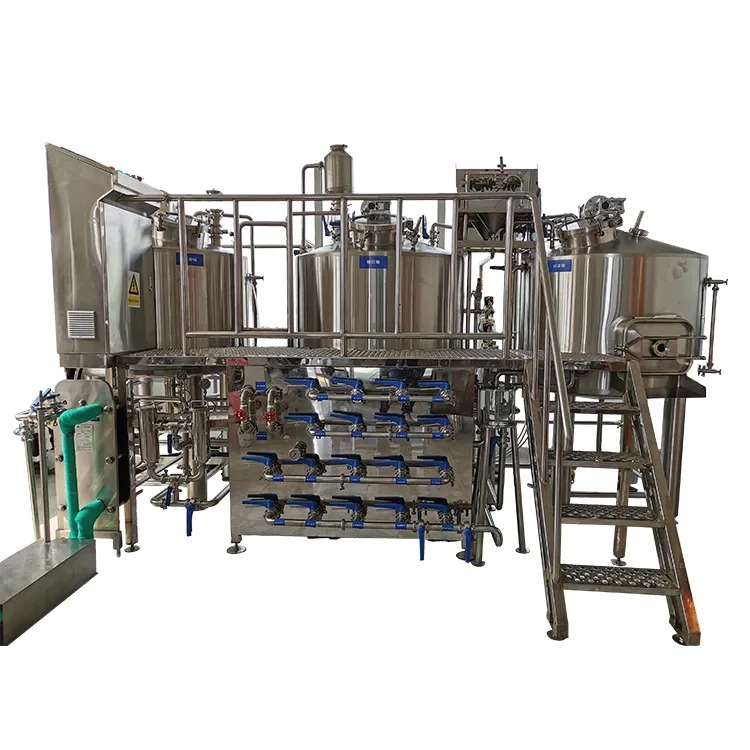
1. Introduction to Conical Fermenters
Conical fermenters, also known as cone-bottom fermenters, are designed to separate yeast and sediment from beer efficiently. Their shape allows solids to settle at the bottom, simplifying yeast harvesting and cleaning. Despite their benefits, improper use can lead to contamination, off-flavors, or inconsistent fermentation.
Recognizing common mistakes when using conical fermenter in brewing process helps brewers improve operational efficiency and product quality.
2. Improper Temperature Management
Temperature control is one of the most critical factors affecting fermentation. Yeast activity and flavor production are highly temperature-sensitive.
Common Mistakes:
Allowing temperature fluctuations during active fermentation
Failing to pre-cool wort before adding yeast
Ignoring the fermenter’s temperature control capabilities
Solutions:
Use glycol jackets or cooling systems to maintain stable temperature
Monitor temperature with calibrated sensors
Adjust fermentation environment based on beer style
Temperature management is a key area when considering common mistakes when using conical fermenter in brewing process, as improper control can create off-flavors or sluggish fermentation.
3. Poor Sanitation Practices
Sanitation is essential to prevent contamination and maintain consistent beer quality. Contaminated fermenters are a frequent source of brewing problems.
Common Mistakes:
Neglecting thorough cleaning before fermentation
Using inadequate sanitizing agents
Failing to sanitize valves, lids, and fittings
Solutions:
Use no-rinse sanitizers specifically designed for brewing
Sanitize all parts of the fermenter, including hard-to-reach areas
Develop a standard cleaning protocol for every batch
Sanitation errors are among the most impactful common mistakes when using conical fermenter in brewing process.
4. Incorrect Yeast Management
Yeast is the driving force behind fermentation, and mismanaging it can significantly affect flavor and carbonation.
Common Mistakes:
Over-pitching or under-pitching yeast
Neglecting yeast harvesting from the conical bottom
Reusing unhealthy yeast without proper inspection
Solutions:
Measure yeast accurately according to batch size
Harvest healthy yeast regularly from the cone for reuse
Monitor yeast activity during fermentation to detect issues early
Proper yeast management is critical for avoiding common mistakes when using conical fermenter in brewing process.
5. Overfilling or Underfilling the Fermenter
The volume of liquid in a conical fermenter directly affects fermentation efficiency and foam control.
Common Mistakes:
Overfilling, leading to foam overflow or inconsistent fermentation
Underfilling, causing excess oxygen exposure
Solutions:
Fill to recommended levels, typically 75–90% of total fermenter volume
Leave adequate headspace for krausen during active fermentation
Correct filling practices prevent one of the most frequent common mistakes when using conical fermenter in brewing process.
6. Neglecting Sediment Management
Conical fermenters excel at separating sediment, but neglecting proper handling can compromise beer clarity and taste.
Common Mistakes:
Allowing sediment to mix back into the beer during transfers
Failing to drain trub at the bottom of the cone
Overlooking sediment during yeast harvesting
Solutions:
Use bottom valves to drain trub carefully
Avoid agitation near the sediment layer
Schedule regular sediment removal during fermentation
Proper sediment management is a practical way to avoid common mistakes when using conical fermenter in brewing process.
7. Ignoring Fermenter Maintenance
Regular maintenance ensures long-term performance and prevents contamination.
Common Mistakes:
Skipping inspections of valves and gaskets
Failing to clean cooling jackets or temperature probes
Ignoring signs of corrosion or wear
Solutions:
Conduct routine inspections and cleanings
Replace worn components promptly
Maintain a maintenance log for each fermenter
Neglecting maintenance is a frequent cause of common mistakes when using conical fermenter in brewing process.
8. Inadequate Monitoring During Fermentation
Active monitoring of fermentation is necessary to prevent issues before they affect beer quality.
Common Mistakes:
Relying solely on visual observation
Ignoring specific gravity measurements
Failing to adjust temperature or cooling systems as needed
Solutions:
Use hydrometers or refractometers for gravity checks
Log daily temperature and pH readings
Adjust conditions based on real-time fermentation data
Monitoring ensures consistency and helps avoid common mistakes when using conical fermenter in brewing process.
9. Misusing Valves and Fittings
Valves in a conical fermenter allow for draining, sampling, and yeast harvesting. Improper use can cause leaks or contamination.
Common Mistakes:
Leaving valves partially open
Failing to clean or sanitize valve seals
Using incorrect attachments for sampling
Solutions:
Close valves securely after use
Clean and sanitize all fittings before and after fermentation
Use appropriate connectors for sampling and draining
Proper valve use is essential to prevent one of the most frequent common mistakes when using conical fermenter in brewing process.
10. Ignoring Beer Style Requirements
Different beer styles require specific fermentation practices. Conical fermenter errors often occur when style-specific requirements are ignored.
Common Mistakes:
Using the same temperature and yeast handling for all beers
Not accounting for fermentation duration differences
Neglecting style-specific oxygen requirements
Solutions:
Research recommended fermentation conditions for each style
Adjust temperature, yeast, and timing accordingly
Use style-specific guidelines for carbonation and sediment management
Avoiding this mistake is crucial to maintaining high-quality beer and reducing common mistakes when using conical fermenter in brewing process.
11. Safety Oversights
Brewing involves pressure and liquid handling, making safety a priority.
Common Mistakes:
Lifting full fermenters without assistance
Ignoring pressure limits in sealed systems
Failing to use proper protective gear
Solutions:
Follow manufacturer guidelines for handling and lifting
Monitor pressure and use relief valves
Wear protective gloves and eyewear during installation and use
Safety is a key aspect often overlooked in common mistakes when using conical fermenter in brewing process.
12. Tips to Avoid Common Mistakes
Maintain consistent temperature control
Clean and sanitize fermenter thoroughly before use
Monitor yeast health and activity
Manage sediment carefully
Regularly inspect valves, gaskets, and fittings
Follow beer style-specific guidelines
Keep detailed logs of each batch
Train all staff on proper fermenter handling
Applying these tips reduces common mistakes when using conical fermenter in brewing process and ensures predictable, high-quality beer.
13. Benefits of Correct Conical Fermenter Use
When common mistakes are avoided:
Beer clarity and flavor are improved
Yeast can be harvested efficiently
Fermentation is more predictable and controlled
Operational efficiency and sanitation are enhanced
Brewing consistency is achieved across multiple batches
Understanding these benefits reinforces the importance of this common mistakes when using conical fermenter in brewing process guide.
14. Conclusion
Using a conical fermenter correctly is essential for brewers seeking consistent, high-quality beer. Recognizing and avoiding common mistakes when using conical fermenter in brewing process—such as poor temperature control, inadequate sanitation, incorrect yeast management, and improper valve use—ensures smooth fermentation, predictable flavor, and operational efficiency.
By following best practices outlined in this guide, brewers can achieve professional-grade beer quality, reduce batch-to-batch variability, and fully leverage the advantages of conical fermenters in modern brewing.
 +86 29-87031531



 Điện thoại
Bình luận
(0)