Best Practices for Using Stainless steel fermenter in Small breweries
Small breweries play a crucial role in the craft beer industry, offering unique flavors and personalized brewing experiences. However, achieving consistent beer quality in a small brewery depends heavily on proper fermentation practices. Among all brewing equipment, the Stainless steel fermenter stands out as an essential tool for small breweries.
This article explores best practices for using stainless steel fermenter in small breweries, focusing on hygiene, temperature control, yeast management, fermentation monitoring, and operational efficiency. Following these best practices ensures high-quality beer, consistent production, and improved brewery performance.
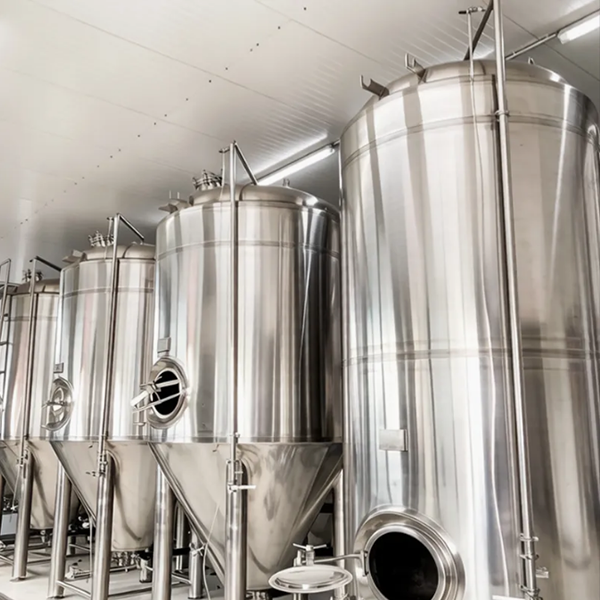
1. Introduction to Stainless Steel Fermenters in Small Breweries
A stainless steel fermenter is a cylindrical vessel, often with a conical bottom, designed for fermenting beer under controlled conditions. For small breweries, stainless steel fermenters provide durability, hygiene, and consistent fermentation performance.
The best practices for using stainless steel fermenter in small breweries begin with understanding the unique needs of small-scale operations:
Smaller batch sizes demand precise fermentation control
Limited staff requires easy-to-clean and maintain equipment
Efficient use of resources is essential for cost-effective brewing
Adopting stainless steel fermenters with proper operational practices ensures small breweries can compete in quality and consistency with larger producers.
2. Selecting the Right Stainless Steel Fermenter
The first step in applying best practices for using stainless steel fermenter in small breweries is selecting the appropriate vessel. Considerations include:
Volume: Choose a fermenter size suitable for your batch requirements
Design: Conical fermenters facilitate yeast collection and sediment separation
Material Grade: Food-grade stainless steel (304 or 316) ensures durability and hygiene
Features: Sampling ports, temperature control jackets, and pressure handling improve efficiency
Selecting the right stainless steel fermenter lays the foundation for efficient and high-quality brewing in small breweries.
3. Maintaining Hygiene and Sanitation
Hygiene is one of the most critical elements in brewing. The best practices for using stainless steel fermenter in small breweries emphasize rigorous cleaning and sanitation procedures:
Clean-In-Place (CIP): Use automated CIP systems for consistent cleaning
Sanitation: Sanitize all surfaces before fermentation to prevent contamination
Residual Checks: Ensure no yeast or trub remains after cleaning
Regular Inspection: Monitor for corrosion or surface imperfections
Stainless steel fermenters are ideal for small breweries because their smooth surfaces make cleaning and sanitation straightforward and efficient.
4. Temperature Control for Optimal Fermentation
Temperature management is essential for yeast performance and beer quality. Implementing best practices for using stainless steel fermenter in small breweries includes:
Monitoring: Use thermometers or digital sensors to track fermentation temperature
Cooling Jackets: Utilize built-in cooling systems for precise control
Consistency: Maintain stable temperatures throughout the batch to prevent off-flavors
Batch-Specific Adjustments: Adjust temperatures according to beer style and yeast strain
Small breweries can achieve consistent flavor profiles by controlling fermentation temperature within stainless steel fermenters.
5. Yeast Management
Yeast is the heart of fermentation. Proper yeast management is a key aspect of best practices for using stainless steel fermenter in small breweries:
Harvesting: Collect yeast from the bottom of conical fermenters for reuse
Monitoring Health: Ensure yeast is active and free from contamination
Pitching Rates: Use correct yeast quantities to avoid slow fermentation or off-flavors
Storage: Store harvested yeast under controlled conditions for future batches
Effective yeast management increases efficiency, reduces costs, and ensures consistent beer quality in small breweries.
6. Monitoring Fermentation Activity
Small breweries benefit from closely monitoring fermentation activity. Best practices for using stainless steel fermenter in small breweries include:
Visual Checks: Observe bubble activity, foam, and sediment
Gravity Measurements: Track sugar conversion using hydrometers or refractometers
Automated Monitoring: Implement sensors for real-time temperature and pressure data
Record-Keeping: Maintain detailed logs for each batch to improve future production
Monitoring helps small breweries maintain control over the fermentation process and detect potential issues early.
7. Pressure Management and Carbonation
Some beer styles require controlled pressure during fermentation. Applying best practices for using stainless steel fermenter in small breweries ensures safe and effective carbonation:
Use fermenters capable of handling internal pressure
Monitor CO₂ production to avoid over-pressurization
Apply pressure-release valves to maintain safe operation
Control natural carbonation to achieve desired beer style
Pressure management in stainless steel fermenters improves both beer quality and operational safety.
8. Cleaning and Maintenance
Routine cleaning and maintenance are vital for the longevity of a stainless steel fermenter. Best practices for using stainless steel fermenter in small breweries include:
Daily Rinse: Remove residues after each batch
Deep Cleaning: Perform CIP cycles periodically to remove stubborn deposits
Inspection: Check gaskets, valves, and seals for wear
Lubrication: Apply food-safe lubricants on moving parts to prevent malfunctions
Well-maintained fermenters ensure consistent beer quality and prevent costly downtime in small breweries.
9. Optimizing Batch Turnover
Efficiency in batch processing is important for small breweries. Following best practices for using stainless steel fermenter in small breweries can improve batch turnover:
Plan fermentation schedules to maximize equipment utilization
Minimize cleaning downtime by using CIP and pre-sanitized tools
Use multiple fermenters strategically to allow overlapping batches
Optimize yeast reuse for faster fermentation cycles
Optimizing batch turnover increases production capacity without requiring additional large-scale equipment.
10. Documentation and Process Standardization
Maintaining consistent results requires documenting best practices. Small breweries can implement best practices for using stainless steel fermenter by standardizing processes:
Keep detailed fermentation logs for each batch
Track temperature, yeast activity, and gravity readings
Standardize cleaning and sanitation procedures
Record any deviations or adjustments for continuous improvement
Documentation ensures that every batch meets quality standards and provides a basis for refining brewery practices over time.
11. Safety Practices
Safety is essential when working with stainless steel fermenters. Best practices for small breweries include:
Use protective gear when handling chemicals or pressurized vessels
Ensure proper training for fermentation monitoring
Follow recommended pressure and temperature limits
Install emergency pressure release mechanisms
Safety measures protect personnel and prevent accidents during brewery operations.
12. Energy Efficiency and Sustainability
Energy efficiency is another benefit of proper stainless steel fermenter use in small breweries. Best practices include:
Using insulated fermenters to reduce heating/cooling energy consumption
Recovering heat from one batch to support others
Implementing efficient CIP and water-saving systems
Maximizing yeast reuse to reduce production waste
Sustainable practices reduce operating costs while supporting environmentally responsible brewing.
13. Troubleshooting Common Fermentation Issues
Small breweries can encounter fermentation challenges. Following best practices for using stainless steel fermenter helps mitigate common issues:
Slow Fermentation: Adjust temperature or yeast health
Off-Flavors: Monitor sanitation and oxygen exposure
Foaming: Control CO₂ release and fermentation temperature
Sediment Build-Up: Regular cleaning and sediment removal
Effective troubleshooting ensures consistent beer quality and minimizes lost batches.
14. Scaling Up Production
Small breweries planning to scale production can follow best practices for using stainless steel fermenter to expand efficiently:
Invest in additional stainless steel fermenters with similar design
Maintain standardized practices across all vessels
Monitor fermentation metrics consistently
Train staff to handle multiple simultaneous batches
Scaling production with proper Fermenter practices ensures quality remains consistent even at higher output levels.
15. Conclusion
In small breweries, a stainless steel fermenter is more than a vessel—it is a critical component of successful brewing. Following best practices for using stainless steel fermenter in small breweries ensures hygiene, precise fermentation, yeast management, operational efficiency, and consistent beer quality.
Small breweries that adopt these practices enjoy better production efficiency, reduced contamination risks, and higher-quality beer. Stainless steel fermenters combined with standardized best practices provide the foundation for long-term success in small-scale brewing.
 +86 29-87031531



 Điện thoại
Bình luận
(0)